Article Directory
The Crypto Hiring Boom Is Real—But So Is the Contradiction at Binance.US
The signals are unambiguous. Recruiters are buzzing, job boards are overflowing, and the dominant narrative is one of explosive growth. According to a recent analysis by DL News, the top ten crypto exchanges are collectively advertising over 1,600 open roles (Binance, Coinbase and Kraken lead a ‘massive ‘crypto hiring spree. Here’s where they’re recruiting). OKX leads the pack with a staggering 440 open positions. Coinbase, not far behind, is looking for 318. Even the global behemoth Binance is seeking to fill 303 roles.
This isn't just noise; it's a clear economic indicator. Sam Wellalage, a recruiter at WorkInCrypto.Global, put it bluntly: “The next two months are going to be absolutely massive.” This sentiment is buoyed by a market that has seen cryptocurrencies like Bitcoin and Ethereum hit new price records, a more favorable regulatory environment under the Trump administration, and a general feeling that the crypto winter of 2022 is firmly in the rearview mirror.
The industry is staffing up for a war for market share. It’s a classic gold rush playbook: when you expect a flood of prospectors, the smartest move is to hire every shovel-maker you can find. In this case, the shovels are software engineers, compliance officers, and legal experts. The exchanges are building infrastructure not for the market of today, but for the one they believe is just around the corner. But when you dig into the data, a glaring discrepancy emerges—a story that complicates this simple, bullish narrative.
A Tale of Two Markets
While the global crypto industry is on an upward trajectory, the situation for one specific entity, Binance.US, looks less like a boom and more like a controlled demolition. The American affiliate of the world's largest exchange is a ghost town. Its share of U.S. dollar-supporting exchange volume has collapsed from a respectable 10% down to a rounding error. Its market share is now about 0.20%—to be more precise, a drop of over 98% from its peak.
The cause is no secret. The SEC’s lawsuit in June 2023, which targeted Binance, its US affiliate, and founder Changpeng Zhao, was the catalyst. It led to the suspension of dollar deposits and withdrawals, effectively kneecapping the exchange and turning it into a crypto-only island. Though the SEC eventually dropped its case this past May, the damage was done. The volume never returned.
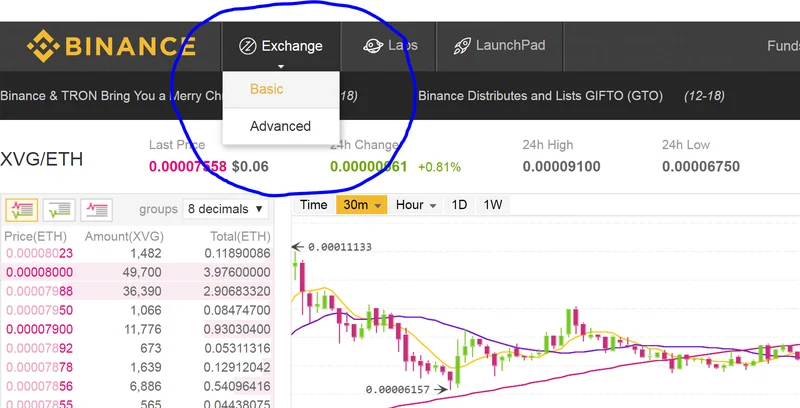
Now, Binance.US is trying to buy its way back to relevance. The exchange recently slashed fees, offering 0% maker fees and a minuscule 0.01% taker fee on major pairs like Ethereum and Solana (Crypto exchange Binance.US cuts fees as trading volumes remain abysmal). This isn't a strategic move from a position of strength; it's an act of pure desperation. When your only remaining lever is to make your product virtually free, it tells you everything you need to know about your competitive standing.
And this is the part of the data that I find genuinely puzzling: the inertia. Even with the regulatory storm clouds parting and rock-bottom fees, traders haven't come back. It suggests the wounds inflicted weren't just about liquidity and regulatory risk. They were reputational. In a market where trust is the ultimate asset, has the Binance brand been irrevocably tarnished in the United States? Can you truly win back a customer base that has already migrated to more stable platforms like Coinbase and Kraken?
The Strategic Pivot
The contrast between the global ambitions of Binance and the grim reality of its US counterpart is stark. While Binance.US fights for scraps in a market that has seemingly forgotten it exists, the parent company is planting flags in new territory. Look at their strategy in Thailand. SB Seker, Binance's new head of Asia-Pacific, sees the nation as a potential crypto hub, citing its clear legal framework and high crypto awareness.
The numbers support this focus. Thailand ranked 17th in the 2025 global crypto adoption index (a significant position for a Southeast Asian nation), with 2.83 million digital asset accounts and a daily trading value of nearly THB3 billion. For a company with a stated goal of reaching 1 billion users, chasing growth in burgeoning markets like Thailand makes perfect sense. Why expend massive resources trying to resurrect a failing brand in the hyper-competitive US market when you can capture exponential growth elsewhere with far less friction?
This isn’t a story of failure, but one of calculated resource allocation. The global Binance entity is focusing on what works. It’s pouring resources into engineering and global expansion, as its spokesperson said, for "selective, high-bar hires in critical areas." Meanwhile, its US affiliate is in a price war with itself, hoping to lure back traders who have long since found other venues. The hiring spree is real, but the key question isn't if companies are hiring, but where and why. The answer seems to be: anywhere but here, at least for the Binance brand.
Follow the Volume, Not the Job Postings
My analysis suggests we're witnessing a great divergence. The macro view of 1,600+ job openings paints a picture of a healthy, expanding industry. And it is. But the micro-level data from Binance.US serves as a critical case study in the permanence of regulatory impact. Slashing fees is a short-term tactic, not a long-term strategy for rebuilding trust. The real story isn't just about a hiring boom; it's about the strategic relocation of capital and ambition. The data indicates that for Binance, the future of growth may not involve a difficult and costly reclamation of the American market, but a far more pragmatic conquest of new frontiers abroad. The jobs are following the path of least resistance.