
Article Directory
Macao's Grand Tech Tour: More PR Than Progress, Or What?
Alright, let's cut through the corporate fluff, shall we? Sands China just dropped a press release hailing their "Second Macao Technological Innovation Exploration in Lisbon" as a roaring success. "Deepen global integration," "strengthen international ties," "injected fresh momentum" – you know the drill. It’s a symphony of buzzwords designed to make you think something genuinely groundbreaking just happened. But honestly, when I read this stuff, I gotta ask: what exactly did this five-day, 38-member delegation actually do?
Lisbon's Labyrinth of Lofty Language
So, Sands China, with a little help from the Macao Economic and Technological Development Bureau (DSEDT) and the Macao Science and Technology Development Fund (FDCT), packed up 25 Macao enterprises and startups and shipped 'em off to Lisbon. The big draw? The Web Summit, a massive tech conference. Seventy-one thousand visitors from 157 countries! Sounds impressive, right? Like sending a bunch of kids to Disney World and then calling it an "immersive cultural exchange program." Sure, they saw some cool stuff, maybe even got a selfie with a tech influencer, but did it really "broaden their horizons" and yield "tangible outcomes" as Sands China CEO Grant Chum so confidently claims?
I’m picturing the scene: a sea of wide-eyed Macao delegates, probably looking a little overwhelmed, wandering through the Web Summit halls. They're "learning about advanced technologies," "exploring cutting-edge industry applications," and "forging connections." That’s what every attendee does at every conference. It’s the baseline. What specific connections? What tangible outcomes? Did anyone sign a deal on the spot? Did a Macao startup suddenly land a multi-million dollar investment from a European VC? The press release is as quiet as a Macao casino floor at 4 AM on a Tuesday about those details. It's like watching a chef tell you they made a "delicious meal" without ever showing you the plate. Give me a break.
Then there’s the "Concrete Opportunities Workshop." Sounds like a mandatory brainstorming session where everyone's secretly checking their email under the table. They brought in Manuel Tanger from Singularity University Portugal to "map out innovation opportunities." I'm sure it was an inspiring PowerPoint. But how many of these "opportunities" will actually materialize beyond a few LinkedIn connections? This whole trip feels less like a genuine tech exploration and more like a carefully curated field trip for political optics. It’s a classic case of throwing a dart at a map, hitting "Lisbon," and declaring victory because, hey, it sounds good to say you’re "globally integrated."
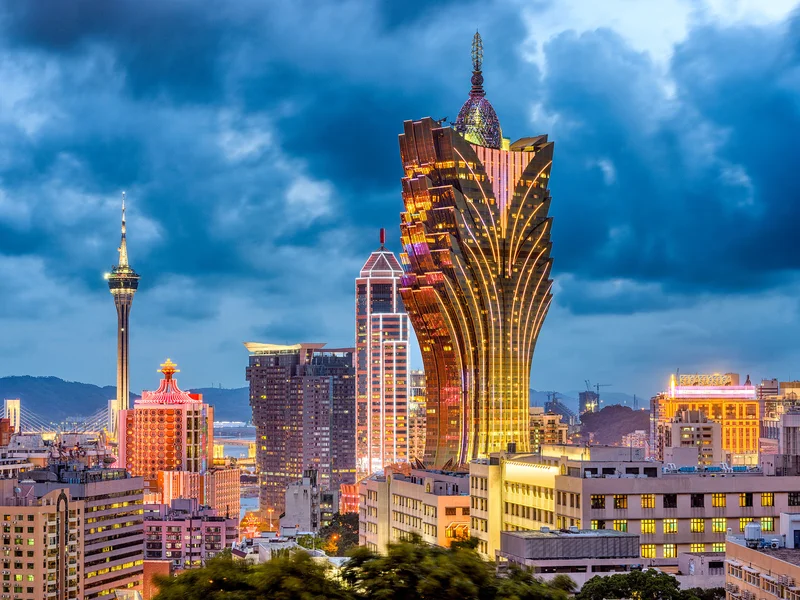
Macao's Big Tech Dream: A Bridge to Nowhere?
The DSEDT's statement is another masterclass in corporate wishful thinking. They talk about Macao's "unique advantages" – "One Country, Two Systems," free-port status, free flow of capital. Sounds great on paper, but let's be real: are these advantages really attracting cutting-edge tech, or are they still primarily a magnet for the kind of capital that likes to keep a low profile? They're planning a "technology research industrial park" positioned as a "launchpad for the Chinese mainland's high-quality tech enterprises to expand overseas." This is a pipe dream. No, 'pipe dream' is too kind—it’s a mirage in the desert of actual innovation, especially when you consider the hoops Mainland companies have to jump through.
And this whole "tourism + technology" strategy? What does that even mean? Are we talking about AI-powered blackjack dealers? VR tours of the Macao Tower? Or is it just a fancy way for the "world centre of tourism and leisure" (their words, not mine) to say, "Hey, tech bros, come gamble at our casinos!" They want to "capitalise on Macao's role as a platform between China and Portuguese-speaking countries." That’s a geopolitical talking point, not a tech strategy. You don't build a Silicon Valley by being a "bridge of trust"; you build it with real R&D, venture capital, and a culture that embraces failure, not just "concrete opportunities workshops." They want outstanding projects to "bring in foreign investment and go global via Macao." But why Macao? What's the compelling reason for a hot startup to choose macau city over, say, Singapore or even Hong Kong, when it comes to global expansion? I'm not seeing the "why" beyond the usual rhetoric.
It’s not just the tech trip, either. Macao is trying to diversify its image, offcourse, beyond the flash and glitter of the macau casino scene. They're hosting the National Games for Persons with Disabilities and the Special Olympics badminton events in December. Sounds noble, right? But then you read about the "real-name registration system" for tickets, even for a 10 pataca multi-day pass, and the free tickets for the Special Olympics that require "arrangements announced shortly." It's always a bureaucratic hurdle, isn't it? And don't even get me started on the "temporary traffic restrictions" for a torch relay rehearsal. They'll shut down half the city for a photo op, and honestly, the public transport chaos for a rehearsal just feels like peak government overreach. It’s a minor inconvenience in the grand scheme, but it’s a symptom of how these things are run. Everyone's trying to look good, but the actual execution is often a messy, inconvenient affair for the average person just trying to get to work.
Just Another Day in the PR Machine
So, what's the takeaway from Macao's latest attempts to brand itself as something more than just a gambling Mecca? It's a lot of talk, a lot of trips, and a lot of carefully worded press releases. They want to be a tech hub, a bridge, a sports host – anything but just macau gambling. But the details are always fuzzy, the "tangible outcomes" are whispered, not shouted, and the actual impact on the ground for ordinary people often involves traffic jams and mandatory registration. It's a continuous performance, and we're all just watching the show, hoping for a plot twist that actually delivers.