
Article Directory
DoorDash Delivers: But Is It Sustainable?
DoorDash just dropped its Q3 2025 numbers, and on the surface, it's all sunshine and rainbows. Total orders up 21% year-over-year, Marketplace GOV (that's Gross Order Value, for the uninitiated) jumped 25%, and revenue popped 27% to $3.4 billion. Even net income saw a hefty 51% increase. The company is painting a picture of robust growth. But let's dig a little deeper, shall we?
The Deliveroo Effect
The most significant development, arguably, is the acquisition of Deliveroo, finalized right at the start of Q4. DoorDash now boasts a presence in over 40 countries and serves over 50 million monthly active users (MAUs). That's a massive expansion. They're projecting Deliveroo will add $45 million to Q4 Adjusted EBITDA and $200 million in 2026.
Here's the thing: these projections are just that – projections. Integrating a company the size of Deliveroo (especially one based in Europe) isn't a walk in the park. We're talking about different markets, different regulations, different consumer habits. DoorDash is betting big on this acquisition, but a lot can go wrong. Are they prepared for the inevitable cultural and operational clashes? What if Deliveroo's user base isn't as sticky as they think?
The company is also touting a partnership with Waymo for autonomous delivery in Phoenix, plus a Domino's Pizza Canada deal. These are interesting moves, but their real impact on the bottom line remains to be seen. It feels a bit like throwing spaghetti at the wall to see what sticks.
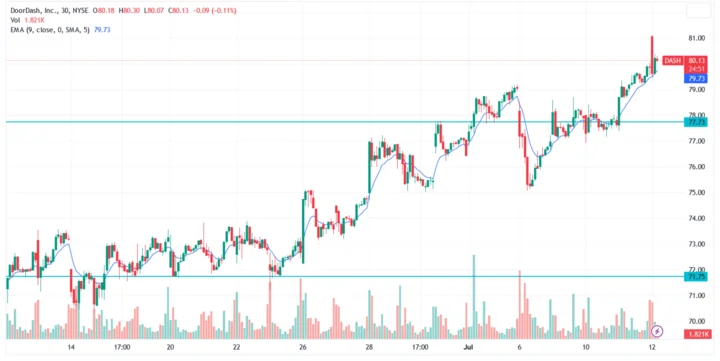
Profitability vs. Spending
DoorDash is quick to highlight its increased profitability. GAAP net income is up, Adjusted EBITDA is up, and the Net Revenue Margin is inching upwards (13.8% in Q3 2025, compared to 13.5% in both Q3 2024 and Q2 2025). That's all well and good, but let's look at the expense side of the ledger.
Sales and marketing expenses are up 19% year-over-year, though down 5% quarter-over-quarter. Research and development is up 23%. General and administrative expenses are up a whopping 27%. While revenue is growing, so are the costs associated with acquiring and retaining customers, innovating, and simply running the business. The fact that G&A is growing so quickly is a bit of a red flag. What exactly is driving that increase? Are they becoming less efficient as they scale?
And this is the part of the report that I find genuinely puzzling. They're patting themselves on the back for increased profitability while simultaneously ramping up spending across the board. It's a classic case of "spending money to make money," but the question is whether that spending is generating a sustainable return.
The company mentions a stock repurchase program of up to $5.0 billion, authorized back in February. As of November 4th, they haven't repurchased any shares. That's… interesting. Are they waiting for a more opportune moment? Or are they having second thoughts about deploying that much capital?
A Sugar Rush, Not a Sustainable Diet
DoorDash's Q3 2025 results are undeniably positive on the surface. The company is growing, expanding its reach, and even managing to squeeze out a bit more profit. But a closer look reveals some underlying concerns. The Deliveroo acquisition is a high-stakes gamble, and the increasing operating expenses raise questions about long-term sustainability. This feels like a sugar rush fueled by aggressive spending, not a healthy and sustainable business model.