
Article Directory
# Are More Stimulus Checks Coming in 2025? Here's the Unfiltered Truth
Let's cut directly to the core question. The short answer is no—at least, not in the way we came to understand them during the pandemic. The era of broad, federally mandated checks sent to nearly every American household is definitively over. What we're witnessing now is something entirely different: a fractured and complex landscape of financial relief that depends more on your zip code than any national policy.
The persistent chatter about "stimulus" is being fueled by two distinct, and often misleading, streams of activity. First, the IRS is currently executing a final cleanup of old pandemic-era funds, which creates the illusion of a new program. Second, a patchwork of state governments are issuing their own rebates, while a handful of politicians are floating federal proposals that are, for now, more political messaging than viable fiscal policy.
The original, unified federal stimulus program is like a shattered mirror. We're left with dozens of small, scattered pieces, each reflecting a different, localized version of relief. Trying to piece them together to see the original picture is a futile exercise. The reality is that we're no longer looking at a single image, but a mosaic of disparate, uncoordinated efforts.
The Ghost of Federal Stimulus Past
The most recent headlines center on the IRS, which is in the process of distributing payments to approximately one million people. To be clear, this is not new stimulus. This is an accounting correction. The agency identified individuals who were eligible for the 2021 Recovery Rebate Credit—the third major pandemic payment—but failed to claim it on their tax returns. The IRS is now proactively sending out that money, totaling some $2.4 billion. It’s a final settling of accounts, not the start of a new chapter.
This cleanup operation is occurring alongside a few highly speculative federal proposals that have gained traction in headlines but have little chance of becoming law. The "American Worker Rebate Act," for instance, proposes funding $600 checks from tariffs. Another, the so-called "DOGE stimulus check," suggested payments funded by savings from a hypothetical Department of Government Efficiency. The numbers on this one never added up. The initial proposal floated a $5,000 payment, which would require a staggering $2 trillion in savings. As of March 2025, the claimed savings were around $130 billion—to be more exact, it translates to about $807 per taxpayer, and even that figure is questionable.
And this is the part of the analysis I find genuinely puzzling. Proposing to distribute "savings" from a government running a massive deficit is a fiscal paradox. The Treasury would have to borrow money to give back money it supposedly saved. It’s a closed loop of debt creation. Is this a serious attempt at economic relief, or is it just a masterclass in political branding?
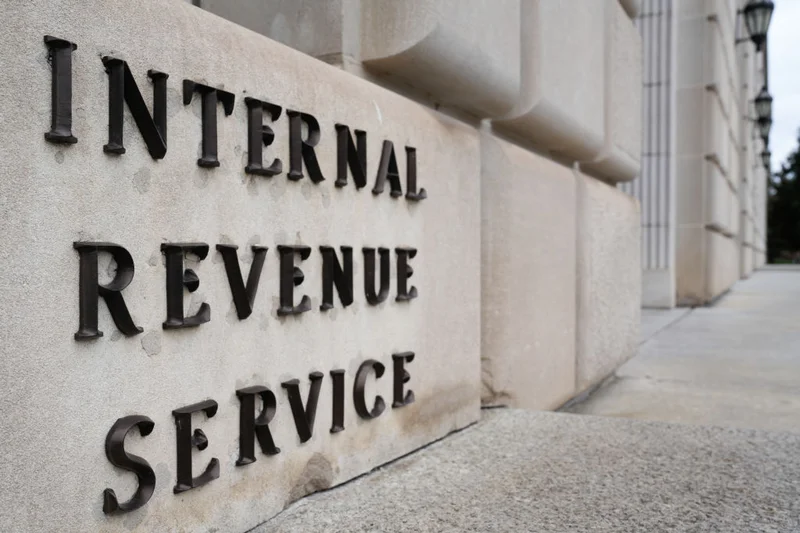
A more recent development is a proposal for a targeted $2,000 relief payment specifically for Texas residents, citing regional pressures from high living costs and disaster recovery. Congressman’s Proposal Revives Talk of $2,000 IRS Relief Payment for Texans. While it would use the IRS payment infrastructure, its narrow geographic focus clearly distinguishes it from past national stimulus. This isn't economic stimulus in the macroeconomic sense; it’s disaster relief packaged under a more popular name. It signals a fundamental shift in strategy from broad support to highly localized intervention.
The New Reality: A State-by-State Patchwork
With the federal government largely out of the direct payment game, states have stepped in to fill the void, creating a confusing and inequitable map of relief. The type and amount of aid you might receive is now entirely contingent on your state's budget, political priorities, and tax structure.
We can categorize these state-level programs into a few distinct models. First, you have the "surplus rebate" states like Georgia and Colorado. Georgia is issuing its third consecutive round of rebates ($250 for single filers, $500 for joint) funded directly from its substantial $11 billion budget surplus. Colorado is doing the same with its TABOR refunds, though the payments are projected to drop sharply in the coming years, from a high of over $1,100 per taxpayer to as little as $41 by 2026. This model is inherently volatile, entirely dependent on the state having a good fiscal year.
Next is the "targeted relief" model, which is far more surgical. New Jersey’s intricate web of programs—ANCHOR, Senior Freeze, and the new StayNJ—is a prime example. Stay NJ 2025: New Property Tax Relief for New Jersey Seniors. These aren't stimulus checks; they are complex property tax relief mechanisms aimed squarely at homeowners and seniors, with benefits of up to $6,500 for those who qualify. Pennsylvania’s Property Tax/Rent Rebate program follows a similar logic, targeting seniors and people with disabilities. This approach is less about stimulating the economy and more about easing specific financial burdens for specific demographics.
Finally, there’s the bucket of logistical challenges and pilot programs. In California, millions of dollars from the Middle Class Tax Refund program remain unspent because residents never activated the debit cards they were mailed. Imagine that—a government relief effort so cumbersome that people simply don't claim the money. It’s a stark reminder that delivery is as critical as funding. Meanwhile, the state is also experimenting with small-scale Universal Basic Income trials, like the Sacramento program giving 200 families $725 a month. These are policy laboratories, not widespread relief.
From Michigan's expanded Working Families Tax Credit to Virginia's modest one-time rebates, the story is the same. The coherent, nationwide strategy has been replaced by dozens of different experiments, all running concurrently.
The Signal vs. The Noise
My analysis suggests we need to separate the signal from the noise. The noise is the politically charged, often misleading use of the term "stimulus check." These proposals are frequently untethered from fiscal reality and designed more for headlines than for household impact. The signal, however, is crystal clear: the paradigm has shifted permanently from universal federal aid to targeted, state-level initiatives. The future of financial relief in America won't be a check from the IRS arriving in your mailbox. It will be a complex navigation of state-specific tax codes, rebate applications, and demographic-based eligibility. The era of simple, universal support is over. What remains is a complicated, and deeply unequal, patchwork.